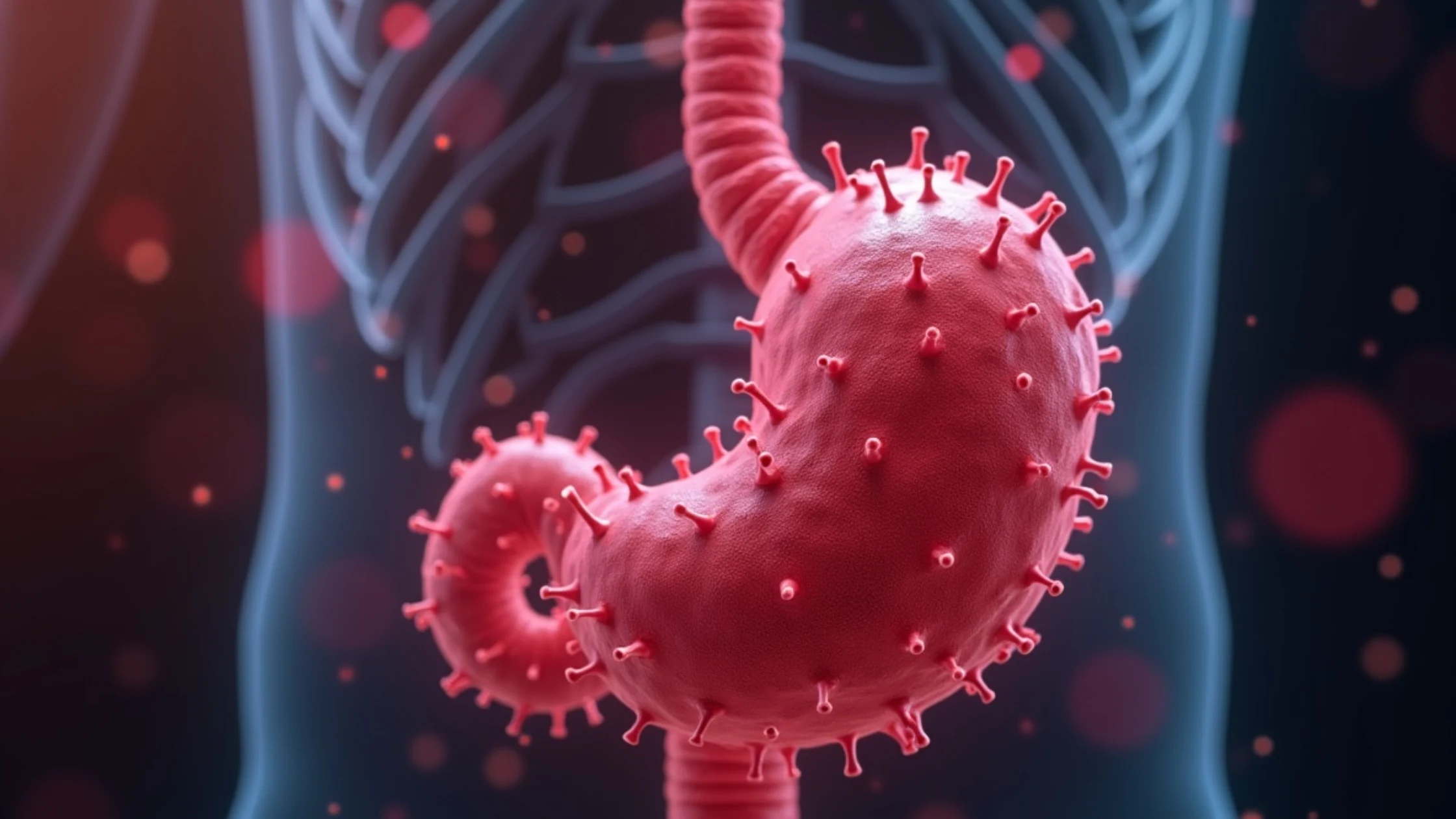
Let’s be real. Nobody schedules a stomach virus. You’re living your best life, eating a taco, and suddenly your internal organs decide to host a heavy metal concert. One minute you’re fine; the next, you’re sprinting to the bathroom. This miserable experience is often called the stomach flu, but scientists prefer the fancy name viral gastroenteritis.
It’s a nasty stomach infection caused by a tiny gastrointestinal virus that doesn’t care about your weekend plans. Whether it’s a norovirus infection or a rotavirus hitching a ride on a doorknob, the result is the same. Understanding stomach virus symptoms is the first step to survival.
If you need a treatment for a stomach virus, you’ve come to the right place. We’ll dive into stomach virus causes and, most importantly, stomach virus prevention so you never have to go through this nightmare again.
What Exactly Is This Stomach Virus Mess?
Imagine your digestive tract is a smooth-running highway. A stomach virus is like a giant pile-up in the middle of rush hour. It isn’t actually “the flu”—that’s a respiratory thing. This is viral gastroenteritis. It’s an inflammation of your stomach and intestines.
When this stomach infection hits, your body tries to evict the intruder as fast as possible. This leads to the classic nausea and vomiting that makes you regret every life choice you’ve ever made.
I remember a stomach virus outbreak at a local summer camp three years ago. Within 48 hours, sixty kids were down for the count. It looked like a scene from a disaster movie. That’s the power of a gastrointestinal virus. It moves fast, hits hard, and leaves you feeling like a wrung-out dishcloth. It’s not just “bad food.” It’s a living, breathing germ that wants to move from person to person.
Spotting the Enemy: Stomach Virus Symptoms
How do you know if you have the stomach flu or just ate a questionable shrimp? Stomach virus symptoms usually arrive unannounced. You might feel a weird rumble in your gut. Then, the nausea and vomiting start. Soon after, you might face the dreaded diarrhea causes—watery stools that keep you glued to the porcelain throne.
Here is what to look for:
- Sudden, watery diarrhea (never bloody).
- Powerful cramps that make you curl into a ball.
- Low-grade fever (usually under 101°F).
- Muscle aches that make your bones feel heavy.
- A headache that thumps along with your heartbeat.
In a norovirus infection, these symptoms hit like a freight train about 12 to 48 hours after you’ve been exposed. It’s intense. It’s messy. And it feels like it will last forever, even though it usually clears up in a few days. If you see blood in your stool or have a high fever, that’s not your average stomach virus—that’s a “call the doctor immediately” situation.
Food Poisoning vs. Stomach Virus: The Great Debate
People always ask, “Was it the chicken or the stomach flu?” Telling the difference between food poisoning vs. stomach virus is like being a detective at a crime scene. Food poisoning usually happens very fast—sometimes within hours of eating something funky. It’s caused by bacteria like Salmonella or E. coli living in contaminated food.
A stomach virus, on the other hand, is a social butterfly. You catch it from people, contaminated water, or touching a surface that a sick person touched. The stomach virus recovery time is often a bit longer than that of simple food poisoning.
While food poisoning might burn out in 24 hours, a norovirus infection might linger for two or three days. Both are equally miserable, but the virus is much better at spreading through a household like wildfire.
Why Me? Stomach Virus Causes and Outbreaks
Why do we get a stomach infection? Usually, it’s because someone didn’t wash their hands. The stomach virus causes are simple: the virus enters your mouth. It could be on a sandwich, a shared soda, or even a TV remote. These viruses are incredibly tough. Norovirus, the king of the stomach flu, can survive freezing temperatures and some disinfectants.
In 2025, we saw a massive stomach virus outbreak linked to a cruise ship. Hundreds of people got sick because the virus lived on the handrails of the grand staircase. It only takes a tiny amount of the virus—as few as 18 particles—to make you sick.
For comparison, a single drop of vomit from a sick person contains millions of virus particles. That is some scary math. This is why viral gastroenteritis in children is so common; kids touch everything and then put their hands in their mouths. It’s a germ’s favorite way to travel.
How to Treat Stomach Flu Without Losing Your Mind
When you’re in the thick of it, you want a magic wand. Sadly, there is no “cure” pill. Antibiotics don’t work on a gastrointestinal virus because antibiotics only kill bacteria. The best treatment for a stomach virus is time and hydration. Your main goal is to replace the fluids you’re losing. If you get dehydrated, things go from bad to worse very quickly.
Here is how to treat stomach flu like a pro:
- Stop eating: Let your stomach rest for a few hours.
- Sip, don’t chug: Take tiny sips of water or electrolyte drinks every 5–10 minutes.
- Ice chips: If you can’t keep water down, suck on ice.
- The BRAT diet: Once you feel hungry, stick to Bananas, Rice, Applesauce, and Toast.
- Avoid the “No-Nos”: Stay away from dairy, caffeine, alcohol, and spicy foods.
I once tried to eat a cheeseburger 12 hours after my stomach virus symptoms faded. Big mistake. Huge. Your gut is raw and sensitive. Treat it like a grumpy baby. Be gentle. Some people swear by home remedies for a stomach virus, like ginger tea or peppermint. These can definitely help settle the nausea and vomiting, but they won’t kill the virus. They just make the ride a little smoother.
Recovery and The Long Game: Stomach Virus in Adults
Stomach virus in adults is different than in kids. Adults are usually better at not touching their faces, but we often work through the pain. Don’t do that. If you go to work while you have a norovirus infection, you are essentially a walking biohazard. The stomach virus recovery time for a healthy adult is usually 1 to 3 days of “active” sickness, followed by a few days of feeling weak and “off.”
Listen to your body. If your urine is dark yellow or you feel dizzy when you stand up, you are dehydrated. This is when a stomach infection gets dangerous. In 2024, ER visits for dehydration during stomach flu season hit a record high in several cities.
Don’t be a statistic. Keep drinking those electrolytes. Even if you feel like you’re 100% better, remember that you can still shed the virus in your stool for up to two weeks. Keep washing those hands!
Protecting the Little Ones: Viral Gastroenteritis in Children
Viral gastroenteritis in children is a parent’s worst nightmare. Kids can get dehydrated much faster than adults. If your toddler stops crying, has a dry mouth, or hasn’t peed in eight hours, it’s time to see a doctor. They might need a special rehydration solution like Pedialyte.
The school system is basically a giant petri dish for stomach virus causes. One kid brings it in, and by Friday, the whole third grade is empty. Teaching kids stomach virus prevention is tough, but it’s essential. Tell them to sing “Happy Birthday” twice while scrubbing with soap.
Hand sanitizer is okay, but it actually doesn’t work very well against norovirus. Good old-fashioned soap and water is the gold standard for killing a gastrointestinal virus.
The Ultimate Shield: Stomach Virus Prevention
You don’t have to be a victim. Stomach virus prevention is all about being a bit of a germaphobe. If someone in your house is sick, you need to go into “lockdown mode.” This means cleaning surfaces with a bleach-based cleaner. Most “natural” cleaners won’t touch a norovirus infection.
Follow these rules to stay safe:
- Wash hands constantly: Especially before eating or prepping food.
- Wash laundry thoroughly: Use hot water for anything a sick person touched.
- Don’t share: No shared towels, forks, or cups.
- Cook shellfish well: Sometimes viruses hide in raw oysters or clams.
- Stay home: If you’re sick, don’t be a hero. Stay in bed.
It sounds simple, but these habits are the only way to stop a stomach virus outbreak in its tracks. I’ve seen families where one person gets sick and, because they were careful with bleach and handwashing, no one else caught it. It is possible to win this war.
Google Optimized Headline: Stomach Virus 101: Symptoms, Home Remedies, and Fast Recovery Tips
Frequently Asked Questions (FAQs)
1. How long does a stomach virus last? The “active” phase of a stomach virus usually lasts 24 to 72 hours. However, your stomach virus recovery time might include another 2 to 4 days of feeling tired or having a sensitive stomach.
2. Is the stomach flu contagious? Yes, extremely! A stomach infection is highly contagious from the moment you feel sick until at least three days after you recover. You can spread the gastrointestinal virus through close contact or contaminated surfaces.
3. What is the best treatment for a stomach virus at home? The best treatment for a stomach virus is rest and hydration. Focus on small sips of clear liquids like water, broth, or electrolyte drinks. Use home remedies for a stomach virus, like ginger or peppermint tea to calm your stomach.
4. Can I take medicine to stop the diarrhea? Sometimes. Medicines like Imodium can help, but you should check with a doctor first. Sometimes your body needs to get the stomach virus symptoms out of its system, and stopping the diarrhea can actually make the infection last longer.
5. How do I tell the difference between food poisoning vs. stomach virus? Food poisoning usually hits very fast (2–6 hours after eating) and often affects everyone who ate the same thing. A stomach virus has a longer incubation period (12–48 hours) and usually spreads from person to person over several days.
Conclusion: Living to Eat Another Day
A stomach virus is a humbling experience. It reminds us that no matter how big and tough we think we are, a microscopic gastrointestinal virus can bring us to our knees. Whether you’re dealing with nausea and vomiting or trying to figure out how to treat stomach flu for your kids, remember that hydration is your best friend. Respect the stomach virus recovery time and don’t rush back to eating spicy wings too soon.
By practicing strict stomach virus prevention and knowing the stomach virus causes, you can protect yourself and your family. If you’re currently in the middle of a norovirus infection, hang in there. It feels like the end of the world, but you’ll be back to your normal self in no time. Just keep sipping that water and keep that bleach bottle handy.
Would you like me to create a detailed shopping list of the best electrolyte drinks and “safe foods” to keep in your pantry for the next time the stomach flu hits?
Disclaimer: This article is for informational purposes only and does not constitute medical advice. Always consult with a healthcare professional for diagnosis and treatment of any health condition.
References:
- Centers for Disease Control and Prevention (CDC). “Norovirus: Symptoms, Risks, and Prevention.” (Updated 2025).
- Mayo Clinic. “Viral gastroenteritis (stomach flu): Diagnosis & Treatment.”
Read More: Sepsis From Dog Lick
About the Author