Your dog’s tongue is like a soggy, enthusiastic windshield wiper. One minute, they are eating something questionable in the grass, and the next, they are plastering your face with “kisses.” But can dog saliva cause sepsis? It sounds like a scary campfire story, but sepsis from dog lick incidents is a real medical concern.
While dog lick and health risks are usually low for healthy people, sepsis in dogs and their owners can happen due to specific bacteria. Understanding a dog lick infection is about more than just germs; it’s about knowing when a “kiss” becomes a crisis. If you’ve wondered about dog lick infection treatment, you’re in the right place.
⚠️ Sepsis from a dog lick:
Medication & clinical process
Evidence-based overview of pathogens, risk factors, and stepwise antibiotic management — based on recent case reports and medical consensus [citation:1][citation:2][citation:5].
| Phase / Focus | Pathogens & risks | First-line antibiotics / Medication | Additional measures & notes |
|---|---|---|---|
| 🦠 Causative agents |
Main bacteria:
|
Empiric broad-spectrum IV
Alternative/combination: ceftriaxone + clindamycin or metronidazole [citation:2].
|
Incubation: typically 1–5 days (up to 7) [citation:3][citation:5]. Critical: obtain blood cultures BEFORE antibiotics; also consider wound culture. [citation:1][citation:5] |
| 🎯 Targeted therapy (after ID confirmation) |
Confirmed C. canimorsus: usually beta-lactamase negative, sensitive to penicillin [citation:2]. Confirmed Pasteurella spp.: penicillin-sensitive, but resistance possible [citation:1]. |
|
Duration: usually 7–14 days IV, possibly longer if multiorgan failure or necrotizing fasciitis [citation:1][citation:5]. Monitor: DIC, renal function, purpura fulminans. |
| 🆘 Supportive & ICU management | Sepsis can lead to: septic shock, acute kidney injury, DIC, purpura fulminans, necrotizing fasciitis, multi-organ failure [citation:1][citation:2][citation:5]. |
|
Surgical debridement mandatory if necrotizing fasciitis / soft tissue necrosis [citation:1]. Mortality: septic shock with organ failure up to 60–80% [citation:3]. |
| 🛡️ Prophylaxis (after lick on broken skin / wound) | Indicated for high-risk: immunocompromised, asplenia, deep puncture, hand/face wounds, delayed cleaning [citation:7]. |
|
Wound cleaning: soap/water irrigation 15 min, debridement, avoid closure if high-risk [citation:7]. Note: prophylaxis not routinely recommended for low-risk immunocompetent [citation:7]. |
| ⚠️ Critical considerations |
|
||
📌 Capnocytophaga canimorsus
- Slow-growing Gram-negative rod
- Associated with purpura, DIC, meningitis
- Effective: penicillin, meropenem, ceftriaxone [citation:2]
📌 Pasteurella species
- Common after bites/scratches/lick
- Cellulitis, necrotizing fasciitis possible
- Tx: amoxicillin-clavulanate, carbapenems [citation:1]
The Secret World of Dog Saliva Bacteria
Dogs don’t use mouthwash. Their mouths are home to a tiny jungle of germs. Most of these germs are harmless to the dog, but they can be rude guests in a human body. The most famous troublemaker is a bacterium called Capnocytophaga canimorsus. It lives naturally in the gums of many healthy dogs.
For most of us, a lick on intact skin is no big deal. Our skin is like a sturdy raincoat. But if that saliva hits an open cut or a scratch, the bacteria can hitch a ride into your bloodstream. This is how a dog lick infection starts. It’s not that the dog is “dirty” in a mean way; it’s just biology doing its thing.
Think of your immune system as a superhero team. Usually, they kick the bacteria out quickly. But sometimes, the bacteria are too fast, or the superhero team is tired. That is when the risk of sepsis from dog lick becomes a reality. It’s rare, but it’s a “need to know” kind of rare.
Can Dog Saliva Cause Sepsis in Humans?
The short answer is yes. But don’t panic and sell your puppy just yet. Sepsis is basically your body’s “nuclear option” response to an infection. Instead of just fighting the germs in one spot, your whole body goes into an inflammatory frenzy. This can damage your own organs.
When we talk about can dog saliva can cause sepsis, we are usually looking at people with weakened immune systems. This includes:
- People without a spleen.
- Those undergoing chemotherapy.
- The very elderly or very young.
- People with chronic liver issues.
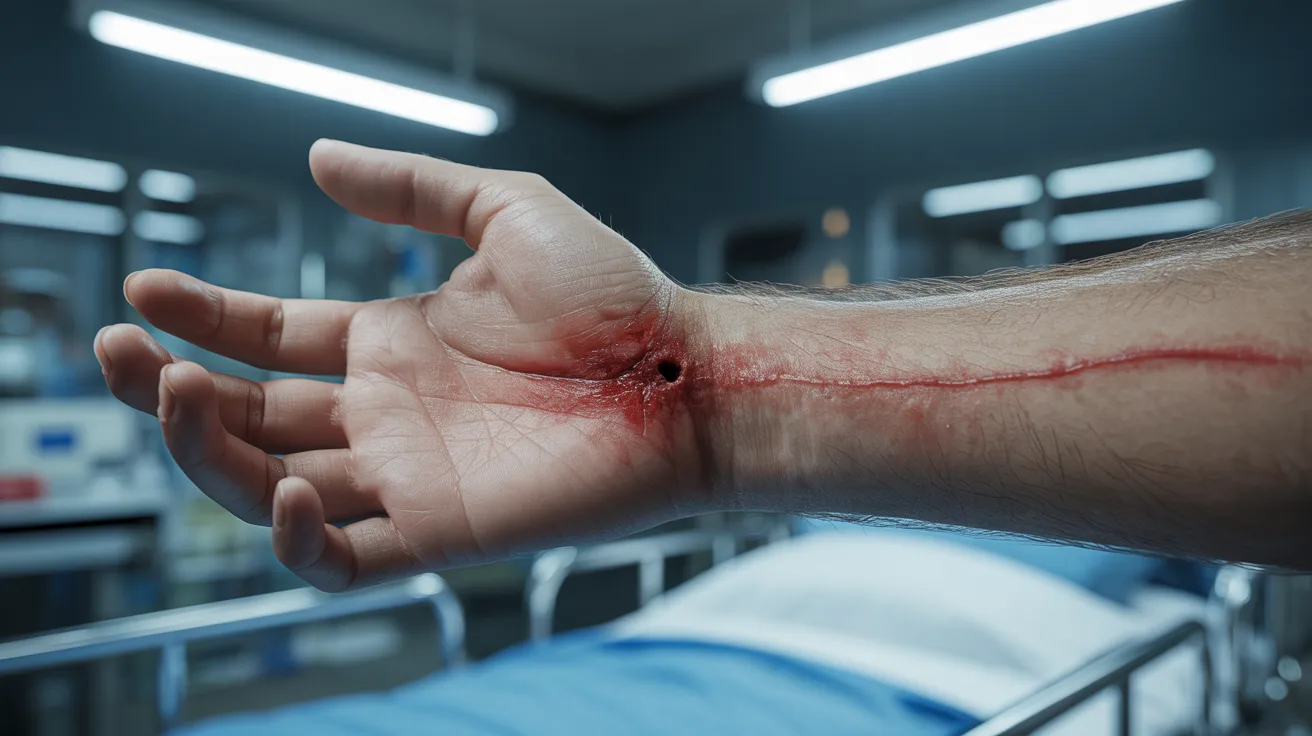
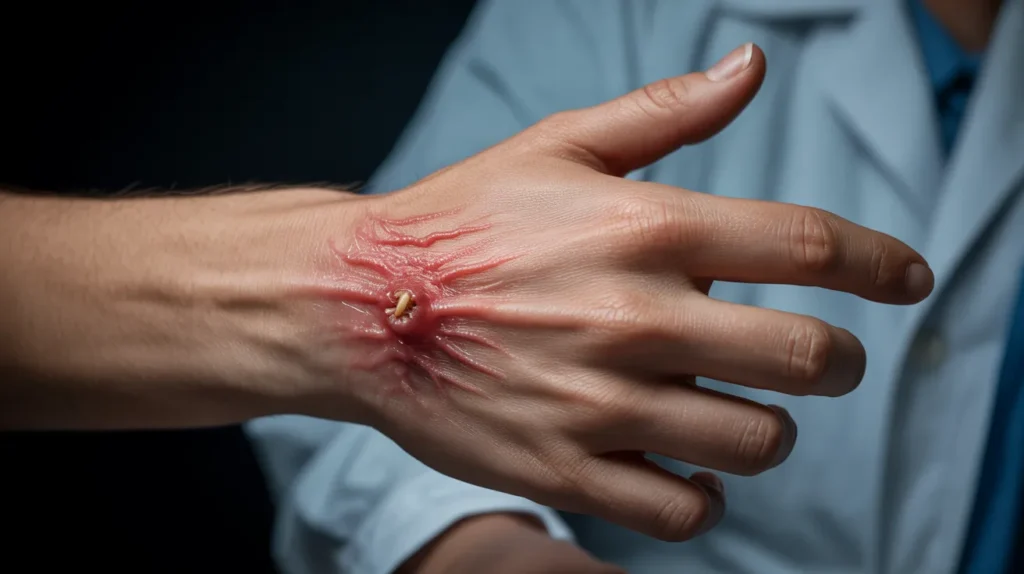
I once knew a guy named Mike who let his Lab, Buster, lick a small papercut on his hand. Mike thought it was cute—the “healing power of dog spit,” right? Wrong. Two days later, Mike felt like he had the worst flu of his life. His hand turned a scary shade of purple. That wasn’t just a “boo-boo” anymore; it was a dog lick wound infection.
Spotting Canine Sepsis Symptoms
Sepsis doesn’t just happen to humans; our furry friends can get it too. Canine sepsis symptoms can be tricky to spot because dogs are experts at hiding when they feel sick. They don’t want to let the pack down.
If your dog has a wound and starts acting weird, look for these signs:
- Extreme Shivering: Like they are cold, even in a warm room.
- Bright Red Gums: Their gums should be bubblegum pink, not brick red.
- Fast Breathing: Panting even when they haven’t been running.
- Confusion: They might stare at a wall or forget their favorite commands.
Sepsis in dogs is a 911 emergency for pets. If you see these signs, grab your keys and head to the vet. There is no “waiting until morning” with sepsis. The clock is ticking the moment those toxins hit the blood.
Why Dog Lick and Health Risks Matter
We love our pets, but we have to be smart. Dog lick and health risks come down to “entry points.” A lick on your arm? Fine. A lick on your eyeball? Not great. A lick on that blister from your new shoes? Definitely bad.
Bacteria like Pasteurella and Capnocytophaga love warm, wet places. When they get under your skin, they multiply like crazy. This can lead to dog lick-induced diseases that range from a simple skin rash to full-blown organ failure.
Real-World Risk Assessment
| Lick on healthy skin | Very Low | Just wash with soap |
| Lick on a fresh cut | Medium | Wash immediately + Antiseptic |
| Lick on face/mouth | Medium | Rinse well |
| Lick for immunocompromised person | High | Avoid entirely |
Dog Lick Infection Treatment: What to Do
If you suspect a dog lick infection, the first step isn’t a Google search—it’s a soap scrub. Use warm water and plenty of soap. Scrub like you’re getting ready for surgery.
Dog lick infection treatment usually involves:
- Antibiotics: Doctors often prescribe drugs like Penicillin or Clindamycin to kill the specific bacteria found in dog mouths.
- Wound Cleaning: Sometimes the doctor needs to flush the wound with sterile water.
- Monitoring: Checking for fever or “streaking” (red lines moving up your arm).
If you are a dog owner, you also need to know about sepsis treatment in dogs. Vets will use IV fluids to keep blood pressure up and heavy-duty antibiotics to fight the “blood poisoning.” It’s an uphill battle, but many dogs survive with fast action.
Preventing Dog Infections at Home
You don’t have to live in a plastic bubble. Preventing dog infections at home is actually pretty simple. It’s about setting boundaries. Even the “bestest boy” in the world has a mouth full of microbes.
- No “Lick” Zones: Train your dog not to lick faces, especially the mouth and nose.
- Cover Your Cuts: If you have a scratch, keep it bandaged. A bandage is a “Keep Out” sign for dog spit.
- Wash Your Hands: After a heavy play session or a “slobber fest,” hit the sink.
- Oral Health for Dogs: Brushing your dog’s teeth (yes, really!) can reduce the bacterial load in their mouth.
Saliva transmission of infection in dogs happens when we get lazy. We think, “Oh, it’s just Rex.” But Rex spent the morning licking his own paws and investigating the trash. Keep the love, lose the germs.
Dog Wound Care and Sepsis
If your dog gets a cut, dog wound care and sepsis prevention are your responsibility. Clean their wounds with vet-approved antiseptic. Don’t let them lick their own wounds! That “licking to heal” thing is a myth. Their tongue actually introduces more bacteria and slows down healing. Use the “Cone of Shame” if you have to.
Veterinary Care for Dog Infection
When should you call the pro? Veterinary care for dog infection is needed if a wound looks “angry.”
- Is it oozing?
- Does it smell like old cheese?
- Is the skin around it hot to the touch?
These are signs of infection in dogs from licking. A small nip from another dog at the park can turn into a systemic nightmare if the bacteria enter the bloodstream. Pet sepsis risks go up significantly with puncture wounds because those wounds “seal” the bacteria deep inside.
The Science of Dog Saliva and Bacteria Transmission
Let’s get a bit “science-y” but keep it simple. Dog saliva and bacteria transmission is a biological process. Dog saliva contains enzymes that help break down food, but it also acts as a transport system for pathogens.
One common NLP-related concept here is “Zoonosis.” That’s a fancy word for diseases that jump from animals to humans. Sepsis is the extreme end of a zoonotic event. While we share 90% of our lives with dogs, we shouldn’t share 100% of our bacteria.
How to Prevent Dog Infections: A Checklist
- Keep vaccinations updated: A healthy dog is a less “germy” dog.
- Manage Fleas and Ticks: These pests create itchy spots that dogs lick until they bleed, creating an infection site.
- Supervise Play: Most dog bite or lick infection cases come from roughhousing.
- Know Your Body: If you feel “flu-ish” after a dog interaction, tell your doctor you have a pet. This is a huge clue for them!
Final Thoughts on Sepsis and Your Pet
We love our dogs. They are family. But even family members need to wash their hands—or in this case, keep their tongues to themselves. Can dog licking cause serious infections? Yes. Is it likely to happen to you today? Probably not.
The goal isn’t to be afraid of your dog. The goal is to be “dog-smart.” Respect the bacteria, manage the wounds, and keep the kisses for the top of the head rather than an open scratch.
If you ever feel that weird, throbbing pain in a spot where a dog licked you, don’t be a hero. Go to the clinic. It’s much easier to take a pill for a few days than to fight for your life in an ICU.
FAQs About Dog Licks and Sepsis
1. Can a healthy dog cause sepsis?
Yes. The bacteria Capnocytophaga live in the mouths of up to 75% of healthy dogs. It doesn’t make the dog sick, but it can make you very sick if it enters your blood.
2. How fast does sepsis from a dog lick happen?
Symptoms usually show up within 1 to 8 days. Most people start feeling sick within 3 to 5 days after the bacteria enter a cut.
3. Should I let my dog lick my wounds?
No! This is a dangerous myth. Dog saliva is not “healing.” It contains bacteria that can cause severe infections and delay healing.
4. What are the first signs of sepsis in humans?
Watch for high fever, chills, extreme pain, shortness of breath, and “mottled” or discolored skin.
5. Is sepsis from a dog lick common?
No, it is extremely rare. However, for people with high pet sepsis risks (like those with weak immune systems), it is a very serious concern.
References:
- Centers for Disease Control and Prevention (CDC) on Capnocytophaga.
- Journal of Clinical Microbiology: Bacterial Flora of the Dog’s Mouth.
- Veterinary Emergency & Critical Care Society: Sepsis Protocols.
Disclaimer: I am an AI, not a doctor or a vet. This article is for information only. If you or your pet are showing signs of infection, seek professional medical or veterinary help immediately.
Would you like me to create a step-by-step guide on how to safely clean a wound after a dog lick?
About the Author